


Empathetic Leadership: The Secret to Harmonious Relationships and Inner Peace — Master the Superpower of Understanding in Everyday Life
Imagine coming home after a long day, and instead of the usual misunderstandings and fatigue from conversations, there’s a deep sense of connection. Your partner truly feels heard. Your children open up without fear. Friends turn to you for support. And inside, there’s peace, because you’re no longer “fighting” the emotions of those around you but using them as a bridge to true closeness.
This is empathetic leadership — not just for business, but for all of life. It helps women aged 25–45 who seek harmony in relationships, self-development, and emotional intelligence to create a space of trust where both love and self-discovery can flourish.
Today we’ll explore how to turn empathy from a “soft skill” into your daily superpower. Practical techniques, scientific facts, and real-life examples — everything you need to start applying empathetic leadership today.
Table of Contents
1. What Is Empathy and Why Is It Important?
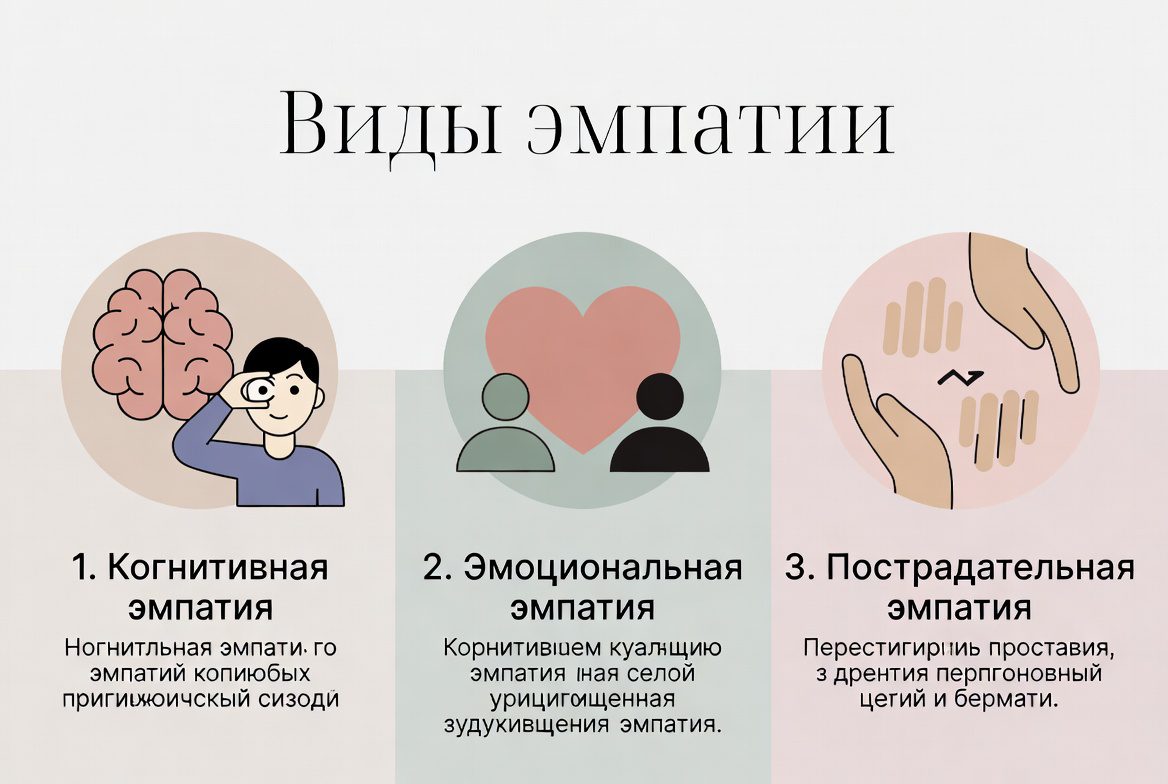
Empathy is the ability to feel and understand another person’s emotions as if they were your own, without losing yourself. Psychologists identify three main types:
- Cognitive empathy — the ability to “see the world through another person’s eyes.”
- Emotional empathy — when you literally “catch” the feelings of the person you’re talking to.
- Compassionate empathy — when understanding turns into real action and help.
Scientific research shows that empathy changes the brain. Mirror neurons are activated, and connections between emotional and cognitive centers are strengthened. Empathetic people experience lower stress levels, improved mental well-being, and even better physical health.
Myth-busting: empathy is not a weakness, but a true superpower that helps you build deep relationships and understand yourself better.
2. Empathetic Leadership: From the Office to the Home

In business, empathetic leadership is a management style in which a leader actively listens, understands the team’s needs, and builds trust. The same principles work perfectly in personal life: in relationships with your partner, in parenting, and in friendships.
3. How to Develop Empathy: Practical Exercises and Techniques

Active listening:
- Focus completely on the speaker (put your phone away).
- Paraphrase: “So what you’re feeling is… am I understanding correctly?”
- Ask open-ended questions: “How does that make you feel?”
- Pay attention to nonverbal cues: posture, gaze, tone.
“Put Yourself in Someone Else’s Shoes” Exercise — 7 daily practices (including a 10-minute loving-kindness meditation each day).
Developing emotional intelligence and mindfulness practices yields noticeable results in just 2–4 weeks.
For more on meditation, read our article: “Meditation for Beginners: The Path to Inner Peace”.
4. Empathy in Action: Applying It in Everyday Life and Relationships

In personal relationships, empathy turns arguments into dialogue and strengthens closeness.

In parenting, it helps raise emotionally mature and confident individuals.
In self-discovery, self-empathy (self-compassion) becomes the foundation of inner peace.
5. Overcoming Barriers to Empathy
Emotional burnout, bias, and fear of vulnerability can all be overcome through clear boundaries, mindfulness, and small daily steps.

6. Conclusion: Empathy Is Your Key to a Fulfilling Life
Empathetic leadership is a path to harmony in relationships, mental well-being, and deep self-discovery. Start today with a single exercise.
Questions for you, dear readers:
How do you already use empathy in your life? What barrier keeps you from showing understanding more often? Share in the comments — together we create a space for growth and support!
Want to dive deeper?
→ Emotional Intelligence: How to Develop Your EQ in 30 Days
→ Relationship Psychology: How to Build Trust
→ Self-Compassion: The Path to Inner Harmony
Author: Ekaterina Orlova
Sources: 4brain.ru, Альпина, Weeek, and current neuroscience research from 2024–2026.


