


He texts you first. Too good to be true
Three messages in – and you’ve already imagined introducing him to your friends. Photos from a yacht, well-read, works “in IT,” and in your chats he’s so caring you want to check your pulse. Too smooth. Because real people don’t text like that – they have typos, jobs, and daily life. He only has perfect replies within forty seconds.
Sound familiar? Then I’ve got some not-so-pleasant news for you: with a probability higher than you’d like, you’re not chatting with the person in the photo, but with his stolen face. Catfishing is when someone else is hiding behind a pretty profile picture: a scammer, a married guy, or just someone who’s bored. And the longer you put off checking, the more it costs you later – in nerves, time, and sometimes money.
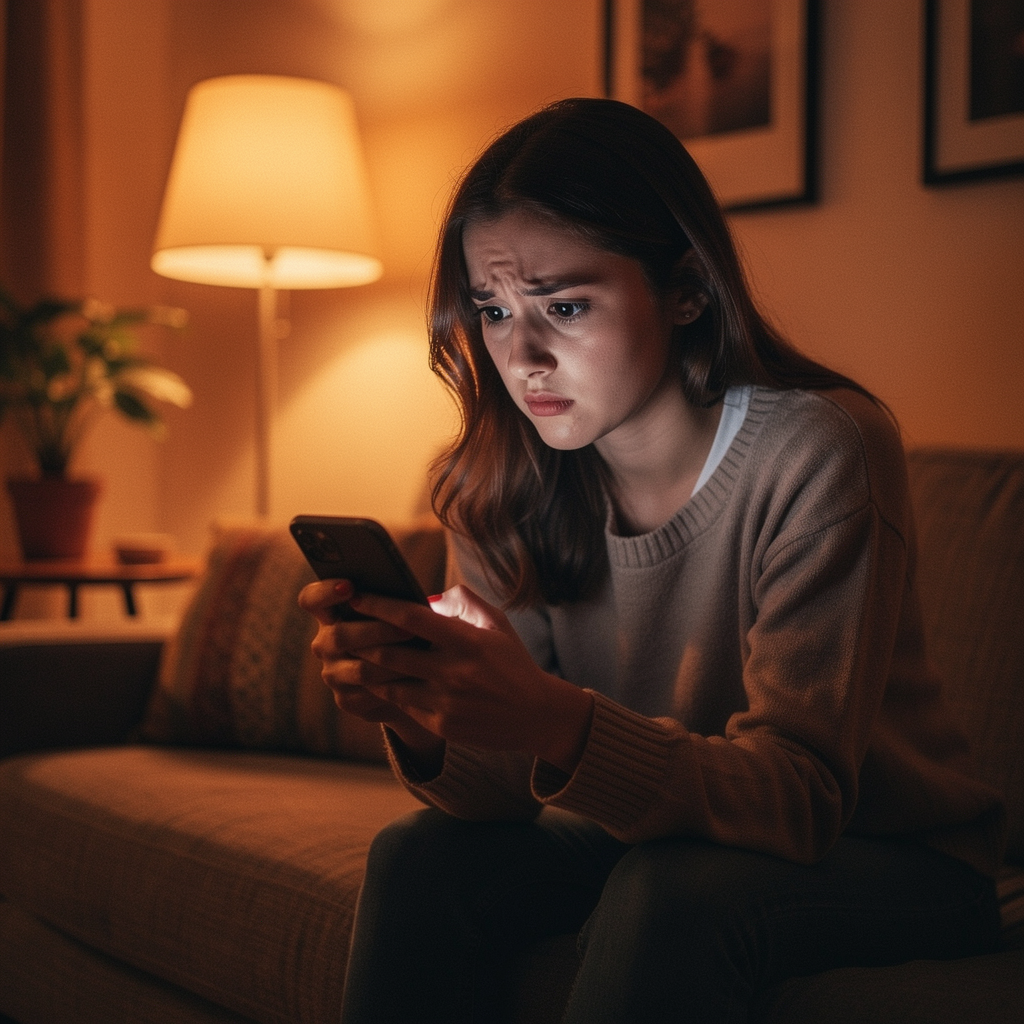
Why we believe until we get burned
Nobody opens a dating app thinking “I’m about to get deceived.” We open it with hope. And that’s exactly what it all builds on: a pretty photo, a few matching interests, a couple of days of sweet messages – and before you know it, you’re ignoring red flags that even your neighbor could spot from across the street.
The numbers aren’t encouraging. According to online dating services, up to a third of profiles on free platforms are fake or abandoned. Other people’s photos get stolen in bulk: download a picture of a pretty girl from a public profile, slap it onto a freshly created account – and you’ve got yourself a “macho from Monaco.” Checking manually is hard: the image won’t show up with a single search query, and digging through dozens of dating sites by hand, looking for whether that face has popped up somewhere else, is a half-day job.
So the check gets postponed “for later.” And “later” arrives when you’ve already invested: opened up about yourself, gotten attached, traveled to the other side of town for a date – or sent money “for tickets” to a person you’ve never met. And that’s when the ugliest part starts: it turns out the person in the photo doesn’t exist.
What a typical catfisher looks like
There’s a set of signs that give a fake away even before any checks. If at least three of them line up – you’ve already got a reason to take a closer look.
- Photos are too good. Every shot looks like a magazine cover, perfect lighting, not a single “bad” candid from real life. A real person also posts photos from awkward angles and with a tired face after work.
- Can’t do a call. Always “the mic broke,” “I’m in a meeting,” “let’s just keep texting.” A video call is the easiest way to check that there’s a real person behind the profile picture. A fake is afraid of it.
- The story keeps jumping. One minute he’s on a business trip, then in the hospital, then at his mom’s. The more dramatic reasons not to meet – the more suspicious it gets.
- Too fast to heat up. Love from the third message, “you’re special,” “I’ve never met anyone like you.” Scammers need to make the victim fall in love quickly so they can ask for money later.
- Asking for money. That’s the final stage of the scheme. “Help me with a ticket,” “I urgently need surgery,” “lend me some money until payday.” After that, the person disappears along with the transfer.
But the problem is that scammers learn. Everyone knows the signs, so fakes now behave more carefully: they do calls (with voice changing), they post “candid” photos (stolen from someone else’s page wholesale, everyday life included). Intuition alone won’t get you far – you need a fact.
What you can actually check from a single photo
A face is your digital fingerprint. It doesn’t disappear after you close the app. If a person has ever registered on a dating site, their photo stayed in that platform’s database – even if they’ve already deleted the account. And that’s where it gets interesting.
Photo search services don’t work on guesswork – they work on matching: you upload a picture, and the system compares it with millions of profiles from open sources. If the face matches a profile on another site, you get a link to the original and a similarity percentage. A 96% match with a profile under a different name and a different age? There’s your answer as to who you’re really talking to.
This isn’t magic or some kind of “deep lookup.” It’s working with what a person has posted publicly themselves. You’re not invading someone’s private life – you’re looking at public data that’s already sitting on the internet.
Where it takes a minute, not half a day
There’s a service called FotoSyshchik – built exactly for this task. You upload one photo with a clear face, and the system scans 27 dating sites and social networks on its own – Mamba, Beboo, LovePlanet, DrugVokrug, Tinder, Twinby, and others. The database holds over 23 million profiles across nearly 300 cities. Results come in within seconds.
What it looks like in practice: you upload your match’s photo – and a few seconds later you see a list of matches. Next to each one – a similarity percentage and a link to the original profile. The same face showing up under three different names with a ten-year age gap? That means the photo is circulating online, and the person texting you isn’t its owner.
And it’s easy to use: sign in via Telegram, no card, no email. The first 3 searches are free – more than enough to check a new acquaintance before a first date. Your photo isn’t published anywhere – it’s only used for the search itself and never enters the catalog.
How to check a person in three steps
- Download the photo. Any picture with a clear, close-up face will do. Not cropped, no sunglasses, not from behind.
- Upload it to the search. The system will find the face on its own and start comparing it with the database – no settings needed.
- Look at the matches. A high similarity percentage plus a different name or age – a sign that something’s off with the photo. One profile, everything lines up – you can breathe easy.
A couple of minutes – and you’ve got a fact instead of guesses. Better to find out before the first date than to discover a month into chatting that the “love of your life” is married and lives in the next building under someone else’s face.
What to do if the check reveals a fake
Let’s say you checked – and the face from the photo showed up in three other profiles under different names. What next? First and most important: no confrontations, no “why did you lie to me.” A fake won’t confess – they’ll just vanish as soon as they realize they’ve been figured out. Your job isn’t to re-educate them, it’s to walk away without losses.
The steps are simple. Don’t send any money – not “for tickets,” not “for emergency surgery,” no matter how touching the story is. Don’t send personal documents or intimate photos – those can later turn into blackmail. Block the contact and report them in the app where you met. If you’ve already sent money – screenshot the conversation and contact your bank: there’s a chance to reverse the transfer if you act fast.
And hey, don’t blame yourself. Catfishing victims aren’t “stupid” – they’re people who trust others and don’t expect a catch. There’s nothing wrong with that – the only bad thing is continuing to chat after the fact is already in your hands.

Frequently asked questions
Is this legal? Yes. The service only works with publicly available profiles that people posted in open access themselves. This is a check for personal safety, not a surveillance tool.
Will my photo end up somewhere? No. The uploaded picture is only used to perform the search and is never published in the catalog.
How much does it cost? The first 3 searches are free. After that – one-time packages starting at 30 rubles per search, no subscriptions: searches don’t expire, payment via SBP, crypto, or Telegram Stars.
Which sites does the search cover? Dating sites – Mamba, Beboo, LovePlanet, DrugVokrug, Twinby, love.ru, and others, 27 sources in total, plus social network checks.
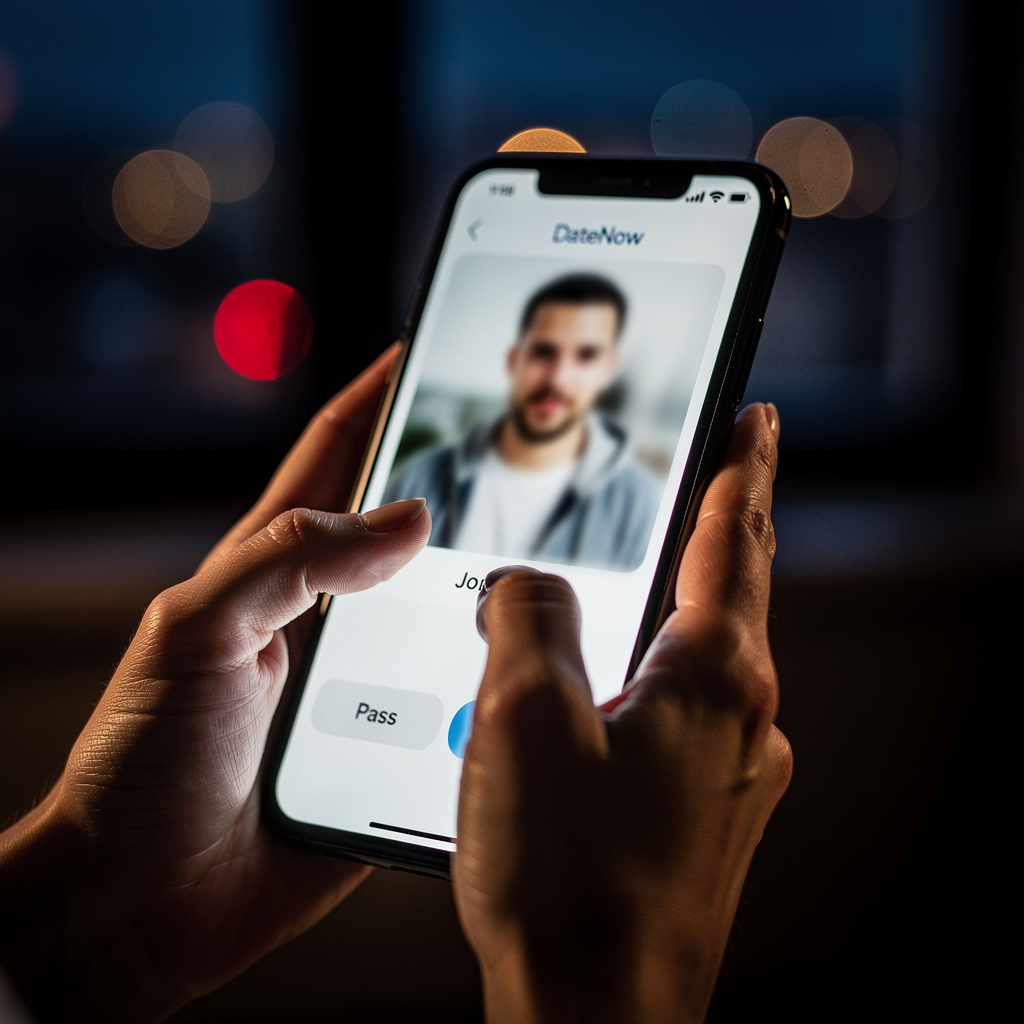
A new acquaintance is always a bit of a lottery. But there’s a difference between “hoping for luck” and “settling the question in two minutes.” Check the photo before you invest yourself in a person.
Check a photo – first 3 searches free →
More convenient on your phone? The same service works on Telegram: open the FotoSyshchik bot.


