Audio version of the article: perfect for your commute, while cooking, or on a walk.
{“@context”:”https://schema.org”,”@type”:”AudioObject”,”name”:”Сонный туризм: новый тренд путешествий ради здорового сна”,”description”:”Голосовая версия статьи.”,”contentUrl”:”https://hervibehub.site/wp-content/uploads/2026/10/podcast-sonnyy-turizm-trend.mp3″,”encodingFormat”:”audio/mpeg”,”duration”:”PT5M53S”}
Picture this: you arrive at a five-star hotel not for sightseeing, museums, or beach time. Your main goal is to catch up on sleep. For the first time in months. No alarm clock, no baby crying, no messenger notifications. Sounds like a dream? That’s exactly what sleep tourism is — one of the biggest travel trends of 2026.
What is sleep tourism
Sleep tourism is a travel niche where the main purpose of the trip is restoring healthy sleep. Instead of the usual “whirlwind tour of Europe” — a mindful getaway focused on the quality and duration of your nightly rest.
The concept was born from a growing problem: according to the WHO, about 40% of the world’s adult population suffers from sleep disorders. Chronic sleep deprivation has become “the new smoking” — it raises the risk of cardiovascular disease, depression, and weakened immunity. And the hotel industry quickly responded to this demand.
Why we stopped sleeping well
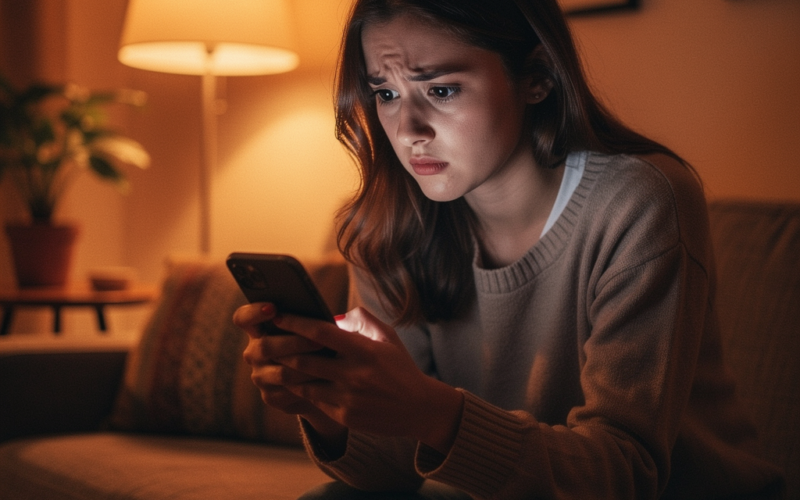
There are many reasons, but the key ones are digital noise and constant stress. Blue light from screens suppresses melatonin production. Social media and messengers keep the brain from “switching off.” Work chats blur the line between the office and the bedroom. Add city noise, an uncomfortable mattress, and the habit of checking email before bed — and there you are, part of the statistic of people sleeping less than 6 hours.
That’s exactly why people are willing to pay for the simple opportunity to get a good night’s sleep. And hotels are happy to provide it — for good money.
What sleep hotels offer
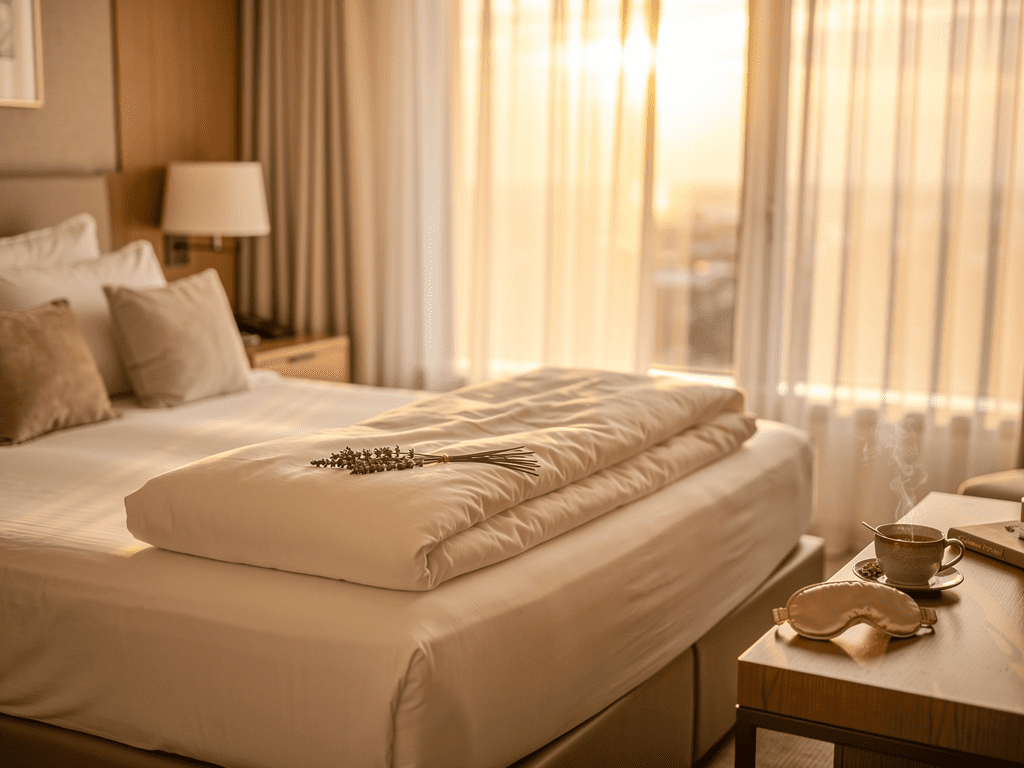
Modern hotels turn the bedroom into a high-tech sleep laboratory. Here’s what a standard sleep package includes:
- Sleep concierge — a personal specialist who designs your sleep program, advises on rituals, and tracks your progress.
- Smart mattresses — adjust firmness and surface temperature, adapting to your pulse, breathing, and movements while you sleep.
- Pillow menu — from orthopedic to aromatic with lavender and chamomile. Up to 12 options to choose from.
- Noise cancellation — premium soundproofing, white noise generators, sounds of rain and ocean waves.
- Circadian lighting — lamps that mimic sunset and sunrise, smoothly shifting color temperature throughout the evening.
- Sleep menu — dinner featuring foods rich in tryptophan and magnesium: turkey, bananas, almonds, herbal teas.
- SPA and meditation — evening massage, yoga nidra, guided meditations before bed.

Where to try it: the best sleep hotels
Six Senses (multiple countries). A pioneer chain in the sleep tourism space. The Sleep With Six Senses program includes sleep monitoring, a doctor’s consultation, a personalized program, and a take-home kit to continue the practice at home. Cost: from $1000 per night.
Zedwell (London). The world’s first hotel designed exclusively for sleep. Cocoon-like rooms with no windows, minimalist design, purified air. No TVs or minibars — just sleep. From £120 per night.
Park Hyatt New York. Bryte Restorative Sleep Suite rooms with smart beds that track sleep phases and automatically adjust firmness. From $1500 per night.
Mandarin Oriental (Geneva). The Sleep & Wellness program with a clinical approach: preliminary sleep diagnostics, a consultation with a somnologist, a three-day intensive. From €2500 per package.

How much does a good night’s sleep cost
Prices for sleep getaways vary widely. A weekend at a European sleep hotel will set you back €500–1500. Asian destinations (Thailand, Bali) — from $300 per night. A full week-long program with medical support — from $3000.
But the industry isn’t standing still: budget options are emerging too. Hostels with sleep pods, urban “sleep cafés” with hourly rates, and dedicated apps for finding “quiet” hotels.
How to choose your sleep getaway
- Identify your problem. Do you struggle to fall asleep, wake up frequently, or just feel chronically sleep-deprived? Different programs solve different issues.
- Review the program. A good sleep package includes more than just a comfortable bed — it should offer a specialist consultation, rituals, and take-home recommendations.
- Check reviews. Look for genuine reviews specifically about the sleep program, not just the hotel overall.
- Start small. For your first experience, 2–3 nights at a well-reviewed hotel with strong sleep-service feedback is plenty.

Do you really need to fly somewhere just to sleep?
Skeptics will say: why pay thousands of dollars when you can just lie down and go to sleep? But the truth is, in your familiar environment, the same triggers keep pulling at you: work on the other side of the wall, your phone on the nightstand, the habit of scrolling before bed. A hotel creates a “clean environment” — free of familiar irritants and backed by professional support.
For many, this becomes a reset not just for their sleep, but for their entire relationship with their own health. After a sleep weekend, people come home with new habits: a bedtime ritual, a ventilation routine, no screens for an hour before bed.
Conclusion
Sleep tourism isn’t just a trendy buzzword. It’s a response to a real problem facing modern people who have forgotten how to sleep. And if we used to save up for a seaside vacation, now more and more people are saving up for a getaway… to bed. And you know what? It might just be the smartest health investment you can make in 2026.
Would you go on a trip just for sleep? Share your thoughts in the comments!