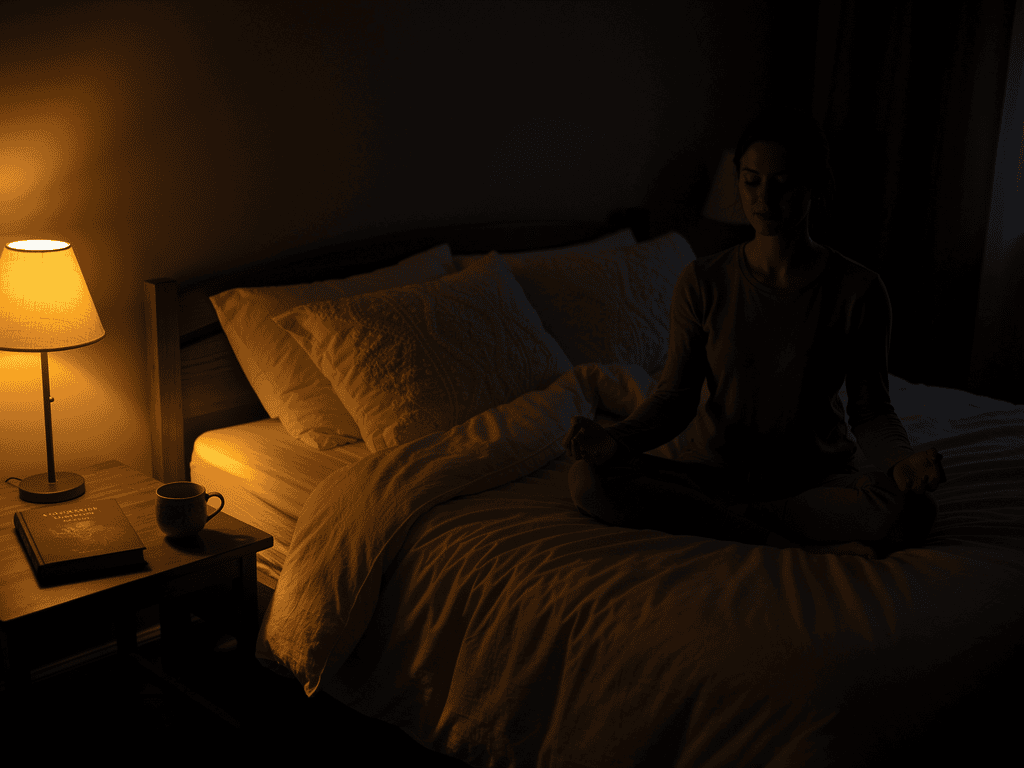
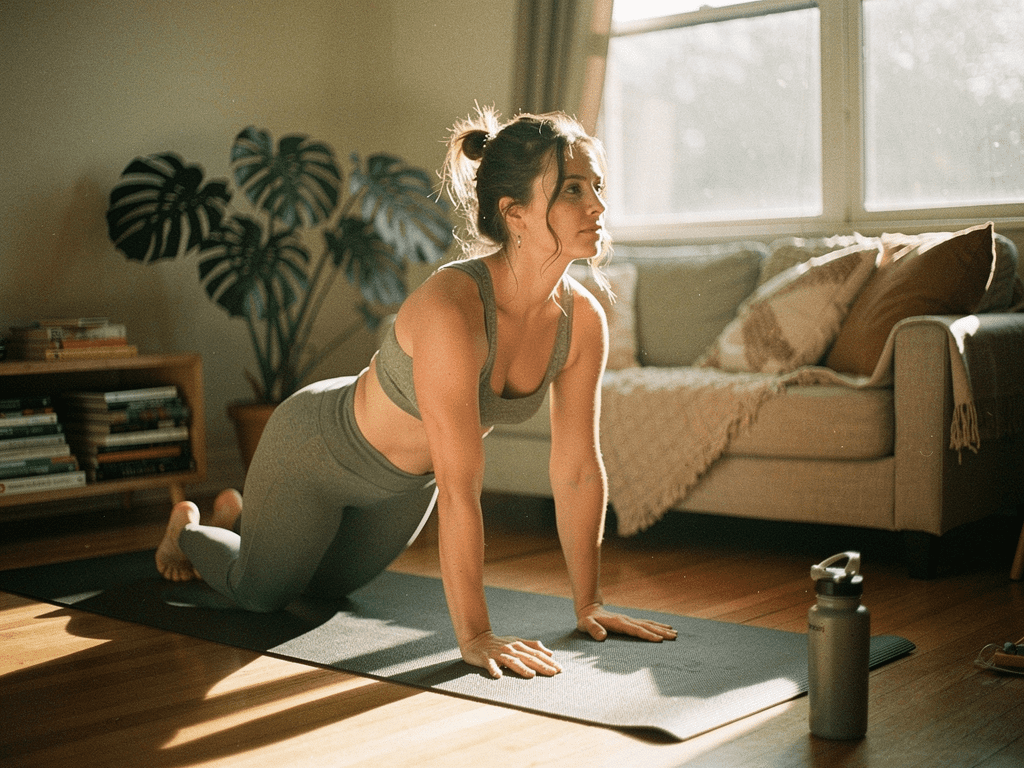
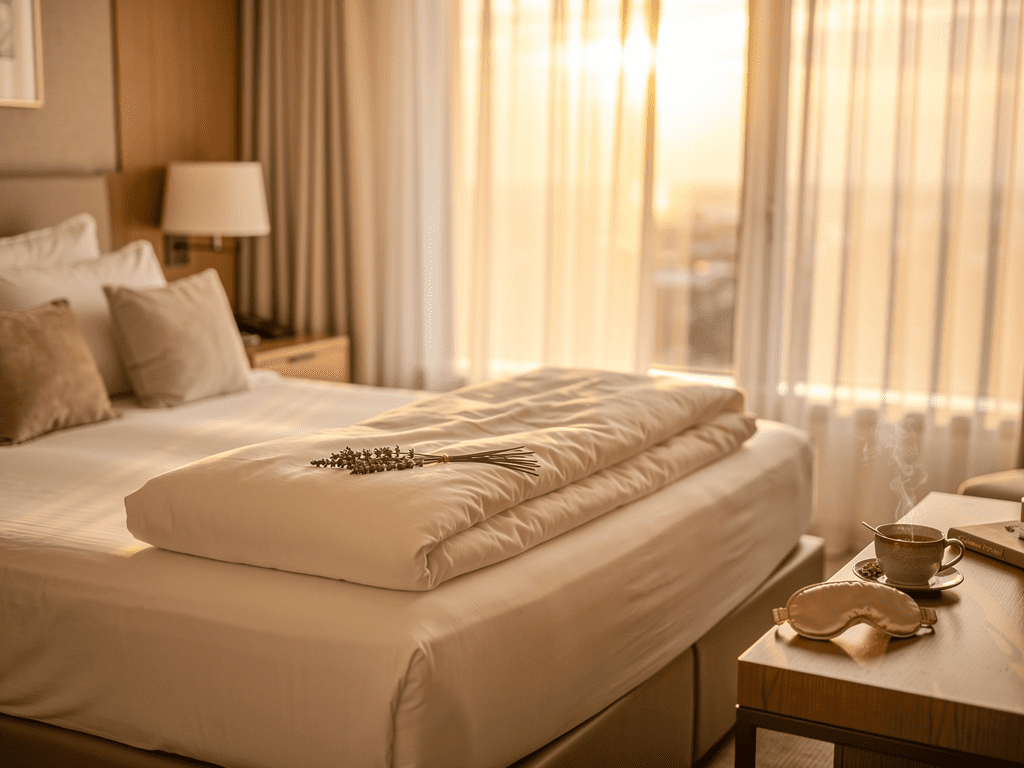
Tired of the rat race? Discover slow tourism: how a digital detox will reset your brain and soul
Slow tourism is not just a pretty travel trend; it’s a way to get back your attention, calm, and the feeling of being alive. When vacation stops being a marathon of sights and becomes a space for recovery, mental health gets exactly what it misses so much in everyday life: quiet, rhythm, air, and the absence of endless notifications.
If mindful travel, gadget-free rest, digital detox, and a wellness approach to life feel close to you, this article will help you look at vacation in a new way — as a gentle reset, not another project with deadlines.

Contents
- Why we got tired of fast travel
- What slow tourism is
- Digital detox: the key to real rest
- How to plan slow travel
- Slow tourism in Russia and CIS
- Stories and inspiration
- FAQ
Why we are tired of fast life and fast travel
Modern people live in constant “always on” mode. Work doesn’t end in the evening, notifications arrive even on vacation, and social media force us to compare, rush, and constantly prove something. We get used to living with background tension — and then we wonder why a regular vacation no longer restores us.
The problem is that many trips today follow the same rules as our daily life: “manage more,” “see everything,” “make content,” “don’t waste time.” As a result, even during rest we keep running. Only now — between viewpoints, tours, cafes, and stories.
This creates an inner conflict: the body left to rest, but the nervous system did not. That is why more and more people are turning to slow travel — a travel format where the focus is not on miles and the number of photos, but on deeply experiencing a place, contact with nature, local culture, and yourself.
Sometimes the best route is the one where you stop hurrying.
Who especially benefits from slow tourism
- people who feel chronic stress and emotional burnout;
- people who are tired of city noise and information overload;
- people who want a gadget-free vacation, not another beautiful but exhausting content marathon;
- people who seek harmony on vacation and a deeper connection with themselves;
- people who resonate with wellness travel, mindfulness practices, and slow living.
What slow tourism is (Slow Travel)
Slow tourism is a travel philosophy where quality of experience, being present in the moment, and deeply experiencing a place come first. In this format, a person does not try to cover as many locations as possible, but chooses fewer and lives them more attentively and fully.
While traditional mass tourism often follows the principle “the more you manage, the better,” mindful travel offers a different view: it’s better to spend a week in one region than to change five cities in the same week and come home even more tired.
Slow travel values simple but powerful things: aimless walks, getting to know local culture, conversations with locals, a morning market, homemade food, books, nature, crafts, silence. It is a format where you don’t have to be productive all the time — you can simply be.

Core principles of slow travel
- Slowing down. Fewer transfers, more time in one place.
- Depth instead of quantity. One market, one village, one trail — but truly lived.
- Immersion in local culture. Not just to look, but to understand, taste, hear.
- Sustainability. A more caring attitude toward the place, people, and your own resources.
- Minimalism. Less stuff, fewer plans, less informational noise.
- Mindfulness. Slow living in travel starts with attention to yourself.
Fast tourism vs slow tourism
| Fast tourism | Slow tourism |
|---|---|
| Many locations in a short time | One or a few locations without rushing |
| Rigid schedule | Flexible rhythm |
| Focus on “managing to see” | Focus on “managing to feel” |
| Strong phone dependence | Digital detox and attention to reality |
| Fatigue after vacation | Reset and recovery |
Digital detox: the key to real rest
One of the main reasons even a beautiful vacation doesn’t feel like rest is the inability to disconnect from the digital environment. The phone has become not just a tool, but a constant mediator between us and life: we photograph the sunset instead of looking at it; we check messages at breakfast; we scroll the feed before bed and wonder why we can’t relax.
That is why digital detox is an important part of slow tourism. It helps reduce stress, bring back attention, improve sleep, and feel the real world with your body again, not through a screen.

Benefits of a digital detox while traveling
- irritation and anxiety go down;
- the ability to concentrate comes back;
- sleep quality improves;
- connection with loved ones and yourself deepens;
- the trip starts to feel deeper and brighter;
- space appears for self-discovery and inner answers.
Checklist: how to create a gadget-free vacation
- turn off unnecessary notifications before the trip;
- keep only calls and navigation;
- check messengers 1–2 times a day, not constantly;
- bring a paper notebook, book, or travel journal;
- replace endless shooting with a few mindful shots;
- spend at least one full day offline during the trip;
- don’t take your phone on a walk if it’s safe and possible.
Tip: if going completely smartphone-free makes you anxious, start with a soft version. For example, set a rule: phone only for 20 minutes in the morning and 20 minutes in the evening. For most people, that is already enough to feel a noticeable drop in inner noise.
How to plan the perfect slow trip
1. Choose the right destination
The best places for slow tourism are not necessarily the most popular ones. Often it’s the opposite: small towns, villages, natural areas, and regions with a strong local identity and unhurried pace of life are best for a true reset. If you’re wondering where to go for a digital detox, look for places with nature, water, walking routes, local cuisine, and minimal tourist rush.
2. Think about transportation
A train, a road trip with stops, a bicycle, walks — all of these set you up for slow travel better than constant transfers and rushing through airports. The journey itself can become part of the rest if you don’t treat it as an annoying pause between route points.
3. Choose authentic accommodation
Guest houses, small family hotels, lakeside cottages, farm stays, eco-hotels — all of these support the idea of mindful rest better than impersonal “same everywhere” lodging. Such places often offer contact with local people, homemade food, intimacy, and a sense of real, not staged, experience.

4. Focus on living, not on a checklist
Instead of five tours in a row, it’s better to choose one or two truly meaningful activities: a cooking class, a forest walk, a visit to a local market, a craft workshop, meditation in nature, a trip to a farm, or a day with no plans at all. That is how an authentic experience is born.
5. Slow travel can be budget-friendly
There is a stereotype that wellness travel and mindful rest are expensive. But in practice, slow travel often costs less: fewer transfers, longer rental of one place, fewer spontaneous purchases, more local food and free nature activities. The main thing is not to buy “vacation status,” but to build the trip around the quality of how you feel.
Slow travel routes in Russia and CIS →
Slow tourism in Russia and CIS: discover what’s nearby and unknown
For audiences from Russia and CIS countries, slow travel is especially valuable: there are a huge number of places nearby where silence, nature, local culture, and a human pace still remain. You don’t have to fly to the other side of the world to feel a reset.
Altai
One of the best answers to the question how to slow down while traveling. Altai is mountains, air, rivers, horse trails, villages, silence, and a feeling of space. Here it’s easy to switch into a mode where your day is built around nature, not around a screen.

Karelia
Karelia suits those who want to combine water, forest, sauna, fishing, silence, and a slow rhythm. This is a destination for those who need a gentle reset without complicated logistics. Perfect for short slow-travel trips of 3–7 days.
Baikal
Baikal is a place where nature literally brings you back to yourself. In winter, it’s transparent ice, crystal air, and almost meditative silence. In summer, it’s water, trails, sunsets, and a feeling of inner cleansing. It’s one of the most powerful destinations for digital detox and rethinking your own rhythm.

The Golden Ring
If you skip the “galloping through cities” format, the Golden Ring can become an excellent mindful-travel destination. One town, a few days, walks, old streets, craft shops, calm breakfasts — and the trip turns into true slow travel.
Georgia and Armenia
The Caucasus is one of the best destinations for those who value local culture, food, traditions, mountains, and human warmth. Here it’s easy to feel that travel is not a set of places, but a relationship with space. It’s especially good for those who seek not only rest but inspiration.

Practical advice for regions of Russia and CIS
To find truly interesting local routes, don’t only look at popular tourist lists. Also search for small family guest houses, local guides, craft workshops, wineries, ethnic farms, and nature eco-trails. That is where real slow tourism most often begins.
Success stories and inspiration
Anna, 32, Moscow: “I went to Karelia after a hard work period and for the first time in a long while felt that I didn’t need to rush anywhere. For the first two days my hand automatically reached for the phone, but then I realized I was listening to the wind, not notifications. It was my quietest and most restorative vacation.”
Marina, 38, Yekaterinburg: “In Altai, for the first time in my life, I didn’t try to ‘see it all.’ We simply lived in one place, walked the trails, ate simple food, and talked in the evenings. I came back with the feeling that there was more air inside me.”
“Not all those who wander are lost.” — J. R. R. Tolkien
“To travel is to live.” — Hans Christian Andersen
Mini-infographic: 5 signs you need slow travel
- You come back from vacation even more exhausted.
- Even on holiday, you keep checking email and messengers.
- You struggle to remember what you actually felt on your last trip.
- You’re increasingly drawn to nature, silence, and simple pleasures.
- You want more than just a change of scenery — you want to restore your mental health.
Read also on hervibehub.site
- Meditation for beginners: how to start without putting pressure on yourself
- Mindfulness practices for everyday life
- How to build a gentle, healthy rhythm without overload
- How to recover from burnout
Conclusion: your path to balance starts now
The benefit of slow travel is that it brings back a lost sense of presence. These are trips where you don’t have to prove you’re relaxing well. You don’t have to pack the most impressions into the least amount of time. You don’t have to be reachable all the time. All you need is to pick a place where you can breathe deeper, move slower, and hear yourself again.
If you’ve been feeling tired, dealing with inner noise, screen overload, and a lack of true reset, try starting small: a weekend without gadgets, a single trip to a small town, a cabin by the water, a walk with no destination. That’s how planning a mindful getaway begins — not with a perfect itinerary, but with a new attitude toward your own time.
Find the right digital detox getaway format →
Questions for readers
- Have you ever tried a vacation without gadgets?
- Which slow travel destination resonates with you the most?
- What matters more to you on vacation: seeing more or feeling deeper?
FAQ: common questions about slow travel
What is slow travel in simple terms?
It’s a travel style where you don’t rush, move around less, and experience a place more deeply — through nature, local culture, food, rhythm, and your own feelings.
How is slow travel good for mental health?
It reduces stress, helps restore attention, eases nervous system overload, and gives you a sense of inner reset.
Do I have to give up my phone completely?
No. A digital detox can be gentle: limiting social media time, turning off notifications, having one offline day, using your phone only for contact and navigation.
Does slow travel work for a short vacation?
Yes. Even 2–4 days in one place without rushing can be more restorative than a packed trip with constant moving around.
Where can I go for a digital detox in Russia and the CIS?
Great options include Altai, Karelia, Lake Baikal, small towns along the Golden Ring, mountain regions of Georgia and Armenia, as well as small eco-hotels and guest houses close to nature.